DSW Candidate – Aaliyah Caulton
$0.00
Virtual Showcase of DSW Scholars 2026 Event!
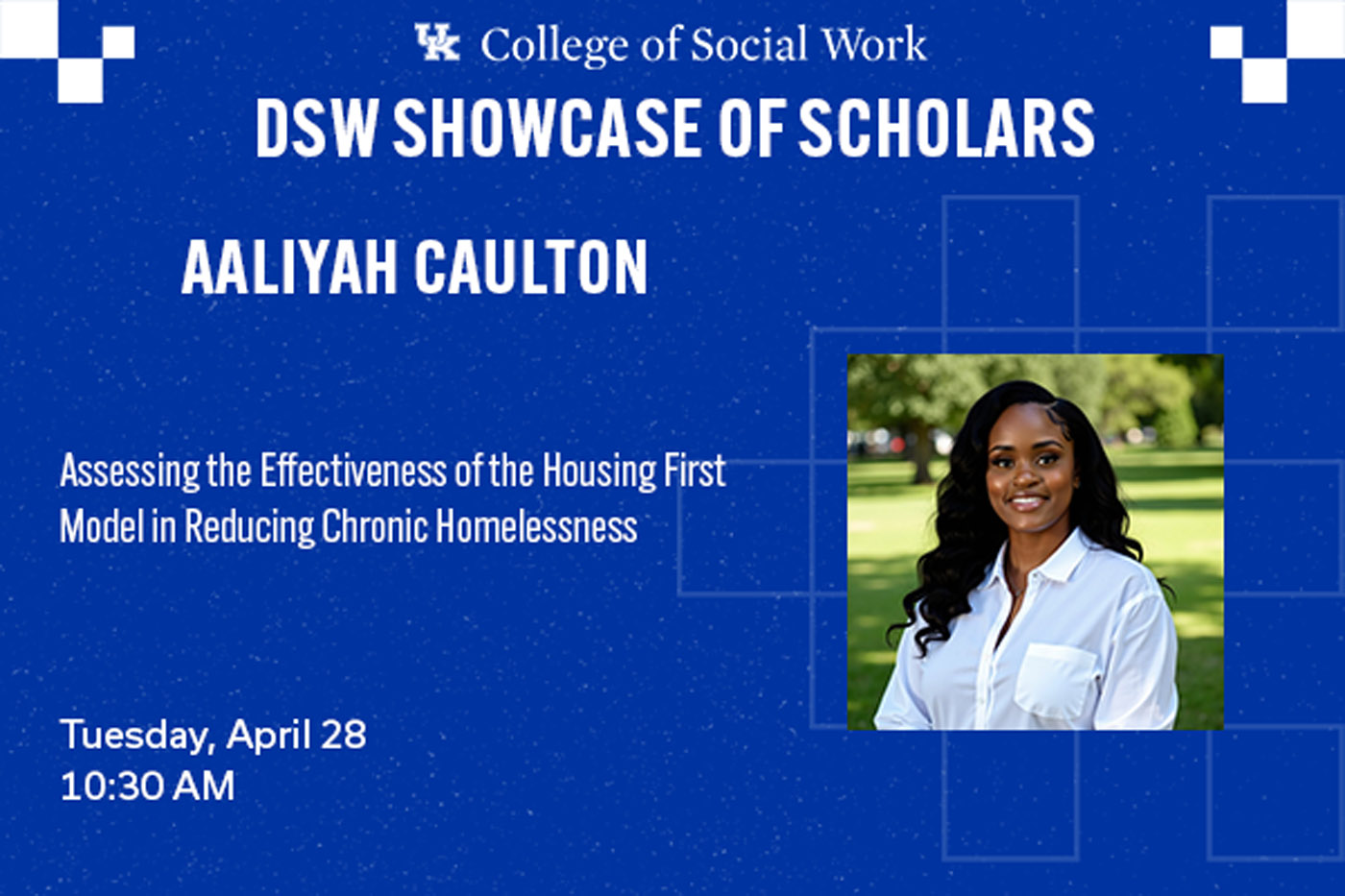
Assessing the Effectiveness of the Housing First Model in Reducing Chronic Homelessness
DSW Candidate – Aaliyah Caulton
Tuesday, April 28, 2026
10:30 AM-11:45 AM Eastern Time Zone
Credit Hours: 1.0 (ACE)
Description
Assessing the Effectiveness of the Housing First Model in Reducing Chronic Homelessness
Learning Objectives:
Upon completion of this conference, participants will be able to:
- Describe the core principles of the Housing First model and its
application within VA homeless service programs serving
chronically homeless Veterans. - Analyze evidence from the literature on the effectiveness of
Housing First in improving housing stability and outcomes for
Veterans with co-occurring mental health and substance-use
disorders. - Identify practice, organizational, and policy implications for
implementing Housing First within VA and HUD-VASH
systems. - Apply findings to leadership and program development efforts,
including the use of technology and integrated services to
strengthen housing stability and Veteran-centered care.
Presenter Bio:
Mrs. Aaliyah Caulton, MSW, LCSW, is a Doctoral Candidate in the Doctor of Social Work (DSW) program at the University of Kentucky, specializing in Administrative Leadership. She earned her Bachelor of Social Work degree in 2018 and her Master of Social Work degree in 2019 from Southern Illinois University Carbondale. Mrs. Caulton has been professionally engaged in the social work field since 2018 and brings a diverse background across micro, mezzo, and macro practice settings.
Her professional experience includes serving as a victim advocate with the Carbondale Police Department, a child welfare specialist, a school social worker, and a hospice social worker. She currently serves as a HUD-VASH Social Worker with the U.S. Department of Veterans Affairs in Phoenix, Arizona, where she provides comprehensive case management, interdisciplinary coordination, and housing stabilization services to veterans experiencing homelessness. Her research interests include homelessness policy, Housing First interventions, administrative leadership, program evaluation, and systemic barriers to housing stability within public service systems.
Her doctoral capstone project examines the effectiveness of the Housing First model in reducing chronic homelessness, with a specific focus on leadership practices, policy implementation, and service integration within veteran-serving organizations and federally funded programs. Mrs. Caulton has received several professional recognitions for excellence in service and leadership, including the ICARE Award, Social Worker of the Month, and more. She is the first member of her maternal family to attend college and earn three academic degrees, reflecting a strong commitment to professional advancement and service-driven leadership.
Delivery Method: Live Interactive Training via Zoom Video Conferencing
Credit Hours: 1.0 (ACE)
Target Audience: This conference is intended for social workers and students.
Accreditation: University of Kentucky College of Social Work, Provider # 1377, is approved as an ACE provider to offer social work continuing education by the Association of Social Work Boards (ASWB) Approved Continuing Education (ACE) program. Regulatory boards are the final authority on courses accepted for continuing education credit. ACE provider approval period: 9/29/25-9/29/28. Social workers participating in this conference will receive up to 15 general continuing education credits.
Claiming CE Credit: Instructions for claiming CE credit will be disseminated at the beginning of each session.
Questions: If you have any questions regarding CE credit or to report a grievance, please contact Christina Krantz at Christina.Krantz@uky.edu. For technical assistance, please contact lmshelp@uky.edu.
Disclaimer: The views and opinions expressed in these presentations are those of the individual presenters and do not necessarily reflect the official policies or positions of the University of Kentucky or the College of Social Work. The inclusion of any topics, perspectives, or discussions is intended for academic engagement and does not constitute endorsement by the institution.